What to Eat on GLP-1 Medications: Foods to Choose and Limit
Practical food choices for GLP-1 treatment, organized around nutrition quality and common gastrointestinal symptoms.
There is no single required “GLP-1 diet.” The 2026 joint advisory from the American College of Lifestyle Medicine, American Society for Nutrition, Obesity Medicine Association, and The Obesity Society recommends individualized nutrition care that accounts for reduced appetite, gastrointestinal symptoms, nutrient adequacy, and preservation of muscle and bone.1
This guide translates those priorities into practical food choices. It does not promise that any food will prevent side effects or increase medication-driven weight loss.
A practical foundation
When appetite is lower, smaller amounts of food need to do more nutritional work. The advisory emphasizes nutrient-dense foods, adequate protein, minimally processed carbohydrates, fiber, healthy fats, and adequate fluids.1
A simple plate may include:
- A tolerated protein source, such as eggs, yogurt, fish, poultry, tofu, beans, or lentils
- Fruit or vegetables, prepared more softly if raw foods feel uncomfortable
- A minimally processed carbohydrate, such as oats, potatoes, brown rice, or whole-grain bread
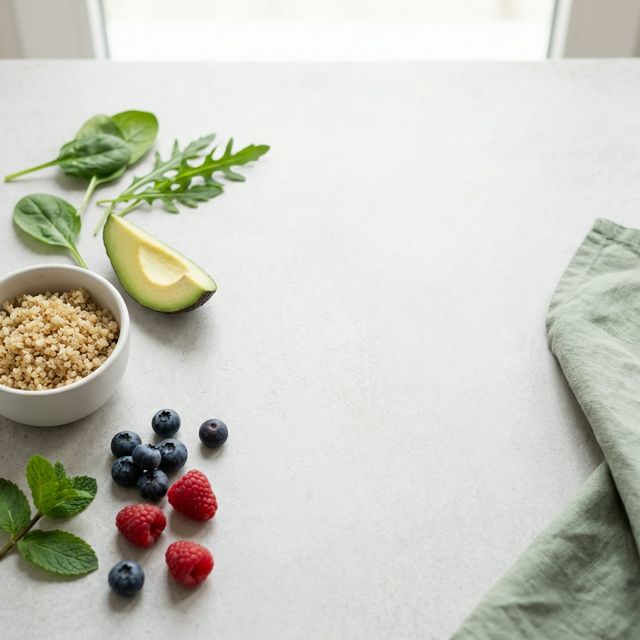
- A modest amount of unsaturated fat, such as olive oil, nuts, seeds, or avocado
The best combination is the one you can tolerate and eat consistently within any guidance from your clinician or registered dietitian.
Protein when appetite is low
The joint advisory discusses a proposed range of 1.2–1.6 g/kg/day during active weight reduction, while also noting that there is no consensus on whether calculations should use actual, adjusted, ideal, or lean body weight. It describes 80–120 g/day as another practical absolute approach.1
Those are planning ranges, not universal prescriptions. Medical history—especially kidney disease—can change what is appropriate. Protein also does not preserve muscle on its own; the advisory pairs nutrition with structured resistance training.
Use the GLP-1 protein calculator to see the arithmetic transparently, or log your intake with Dosio’s nutrition tracker.
If nausea or fullness is the main problem
The advisory recommends smaller, more frequent meals and avoiding large or high-fat meals when gastrointestinal symptoms occur.1 Foods that are easier for one person may not work for another.
You might try:
- Smaller servings eaten more slowly
- Lower-fat cooking methods such as baking, steaming, or grilling
- Bland or simply prepared foods during a difficult period
- Fluids in amounts you can tolerate
Rich, fried, or very large meals may be worth limiting if you notice they worsen symptoms. Use the symptom support planner to organize what you notice and when it occurs.
If constipation is the main problem
The source recommends adequate fluids, gradually increasing fiber, and including high-water foods.1 A sudden large increase in fiber can worsen bloating for some people, so gradual changes are important.
Possible sources include oats, berries, kiwi, vegetables, beans, lentils, and whole grains. Your clinician may recommend a different approach if constipation is persistent or severe.
If diarrhea is the main problem
The advisory recommends avoiding large and high-fat meals and maintaining fluid intake.1 Severe or persistent diarrhea warrants medical advice, especially if you have dizziness, fainting, dark urine, confusion, or trouble keeping fluids down.
Foods and drinks to limit based on your symptoms
The source does not publish a universal forbidden-food list. Instead, limit foods that repeatedly worsen your symptoms or make it difficult to meet nutrition needs. Common examples to test cautiously include:
- Large or fried high-fat meals
- Large portions eaten quickly
- Alcohol, particularly if your prescriber has advised against it or you use other glucose-lowering medication
- Foods that reliably trigger reflux, bloating, nausea, constipation, or diarrhea for you
Do not remove entire food groups without a nutritional reason or professional guidance.
When to contact a clinician
Severe or persistent vomiting or diarrhea can cause dehydration and acute kidney injury; current prescribing information carries a warning about kidney injury due to volume depletion.23 Seek medical advice if you cannot keep fluids down, have dehydration signs, or experience severe or persistent abdominal pain.
Ready for a GLP-1 week that feels less random?
Use Dosio to notice the patterns behind side effects, appetite shifts, schedule changes, and progress.



Important Legal & Medical Disclaimer
Not Medical Advice This article is educational and does not diagnose or treat symptoms. Follow your prescription and contact a healthcare professional for individual nutrition or medication advice.