What Not to Eat on GLP-1: Navigating Your Diet for Success
Learn which foods to avoid and which to embrace while on your GLP-1 weight loss journey to manage side effects and maximize results.
Starting a GLP-1 medication like Wegovy, Ozempic, or Mounjaro is a powerful step in your weight management journey. Because these medications work by slowing down gastric emptying and mimicking hormones that signal fullness1, they naturally help you reduce your caloric intake.
However, what you eat is just as important as how much you eat. Consuming the wrong types of foods can exacerbate common side effects like nausea and bloating, and it can even hinder your overall progress. Here is a definitive guide to the foods you should limit and the ones you should embrace.
Foods to Avoid on GLP-1 Medications
To keep your digestive system comfortable and your weight loss on track, consider limiting the following categories:
1. High-Fat and Fried Foods
Because your stomach is emptying much slower than usual, high-fat foods like fried chicken, heavy cream sauces, and highly processed meats will sit in your stomach for an extended period. This delay often leads to intense feelings of nausea, heartburn, and bloating.
2. Sugary Foods and Beverages
GLP-1 medications are designed to help stabilize your blood sugar levels. Consuming large amounts of refined sugars, such as those found in sodas, candies, and sweet pastries, forces your body to process rapid sugar spikes. This not only undermines your metabolic health but can also trigger sudden bouts of nausea or fatigue.
3. Alcohol
Alcohol contains empty calories and can lead to unpredictable fluctuations in blood sugar. Additionally, drinking alcohol on an empty stomach while taking GLP-1 medications may increase the risk of hypoglycemia (low blood sugar)2. Furthermore, alcohol may worsen gastrointestinal side effects. If you choose to drink, moderation is essential and always consume food alongside alcohol.
4. Highly Refined Carbohydrates
White bread, traditional pasta, and baked goods lack the fiber your body needs. They digest quickly and don't provide the sustained energy or satiety that complex carbohydrates do.
Foods to Embrace
To support muscle preservation and keep your energy levels high, your diet should focus on nutrient density:
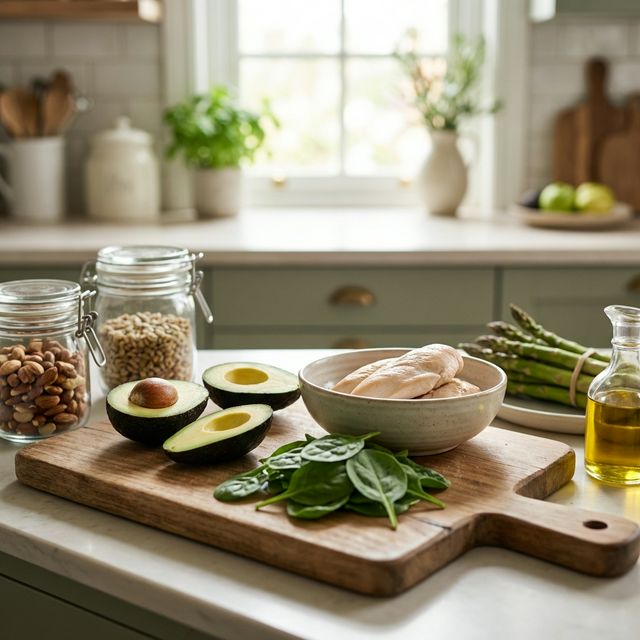
- Lean Proteins: Prioritize chicken, turkey, fish, tofu, and eggs. Protein is absolutely critical when losing weight rapidly to ensure you are losing fat, not valuable muscle tissue3.
- Fiber-Rich Foods: Vegetables, berries, and whole grains help combat the constipation that frequently accompanies a slowed digestive tract.
- Healthy Fats: Avocados, nuts, and olive oil provide essential fatty acids that support brain health and hormone regulation.
- Hydration: Drink plenty of water throughout the day. Dehydration is a primary trigger for headaches and fatigue on these medications.
Track Your Nutrition with Dosio
When your appetite is drastically reduced, ensuring you consume enough protein and water is critical to avoiding sarcopenia (muscle loss) and dehydration.
The Dosio app makes it effortless to monitor your exact intake. Instead of a complicated calorie counter, Dosio focuses on the high-impact metrics that matter for your medication. You can easily track your daily protein grams and hydration goals in seconds, ensuring you are nourishing your body correctly without the tedious math. Tracking helps ensure you're getting adequate protein to prevent muscle loss during rapid weight loss4.
Ready for a GLP-1 week that feels less random?
Use Dosio to notice the patterns behind side effects, appetite shifts, schedule changes, and progress.



Important Legal & Medical Disclaimer
Not Medical Advice This article is provided solely for educational purposes. Always consult your healthcare provider or a registered dietitian before making significant changes to your diet or taking new medications.
Sources
-
Ussher JR, Drucker DJ. Cardiovascular biology of glucagon-like peptide-1. J Clin Invest. 2023;133(4):e16813. ↩
-
Endocrinology Advisor. GLP-1 Interactions: Risks, Effects, and Recommendations. ↩
-
Cava E, Yeat NC, Mittendorfer B. Preserving Healthy Muscle during Weight Loss. Adv Nutr. 2017;8(3):511-519. ↩
-
Hudson JL, et al. Preserving Healthy Muscle during Weight Loss. Adv Nutr. 2023;14(4):688-705. ↩