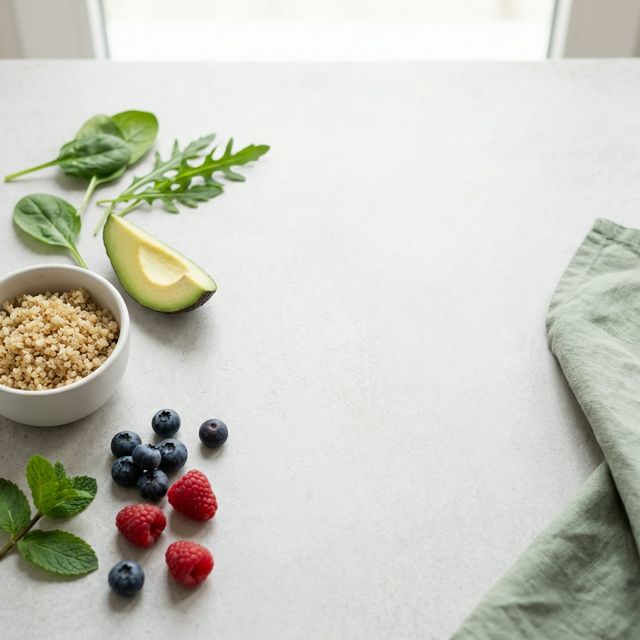
GLP-1 Diet Plan: Foods to Avoid and Include
Maximize your GLP-1 health journey by learning exactly what to eat and what to avoid.
Choosing the right foods can amplify the benefits of GLP-1 medications like Ozempic, Wegovy, and Mounjaro. Because these medications slow down your digestion to keep you feeling full, your food choices directly impact your comfort, your steady energy levels, and your overall success.
Here is a guide to the best foods to include in your diet, and the ones you should leave off your plate.
What to Eat on a GLP-1 Diet
A successful GLP-1 diet focuses on nutrient-dense foods that stabilize blood sugar and prevent muscle loss while supporting healthy digestion.
Lean Proteins
Protein is crucial. It preserves your lean muscle mass during weight loss, requires more energy to digest than carbohydrates, and prevents sudden hunger spikes. Aim for 25 to 30 grams per meal to maximally stimulate muscle protein synthesis1.
- Poultry & Fish: Chicken breast, turkey, salmon, and cod offer complete amino acids. Fatty fish also provides heart-healthy omega-3s.
- Eggs: A versatile and budget-friendly staple.
- Plant-Based: Tofu, tempeh, lentils, and chickpeas deliver both protein and fiber for steady energy.
High-Fiber Foods
Fiber is your best defense against constipation—a common side effect of GLP-1 medications.
- Vegetables: Focus on leafy greens, broccoli, carrots, and Brussels sprouts. If you experience bloating, try steaming or roasting them first.
- Whole Grains: Replace refined white bread and pasta with oats, brown rice, barley, or quinoa.
- Legumes: Beans and lentils are an excellent dual-source of protein and fiber.
Healthy Fats & Low-Sugar Fruits
Fats aid in nutrient absorption, but portion control is essential because fats slow digestion even further.
- Avocados, Nuts, and Seeds: Almonds, walnuts, and chia seeds offer healthy fats in moderation.
- Fruit: Choose antioxidant-rich berries (strawberries, blueberries) and apples. They provide sweetness and vitamins without causing massive blood sugar spikes.
Ready for a GLP-1 week that feels less random?
Use Dosio to notice the patterns behind side effects, appetite shifts, schedule changes, and progress.



Foods and Drinks to Avoid
What you exclude from your diet is just as important as what you include. Certain foods can worsen nausea, cause severe blood sugar fluctuations, and stall your progress 2.
Sugary and Ultra-Processed Foods
Foods high in added sugars—such as soda, fruit juice, candy, and pastries—cause rapid blood sugar spikes followed by crashes. This undermines the stabilizing effect of GLP-1 medications and can leave you feeling fatigued and hungry. Ultra-processed foods often contain emulsifiers and refined carbohydrates that lack nutritional value and contribute to bloating and inflammation.
High-Fat and Greasy Foods
Because GLP-1 medications intentionally slow down how fast your stomach empties, eating heavy, high-fat meals can cause severe indigestion, heartburn, and nausea. Limit or avoid:
- Fried foods (french fries, fried chicken)
- Fatty meats (bacon, sausage)
- Heavy cream-based dishes and rich desserts
Trigger Foods
Particularly in your first few weeks of treatment, your stomach may be sensitive.
- Spicy and Acidic Foods: Hot sauce, salsa, and citrus can irritate your stomach lining and cause acid reflux.
- Alcohol: Alcohol exacerbates nausea and dizziness, and can disrupt your blood sugar balance.
- Carbonation: Sodas and sparkling water introduce air into the digestive tract, often leading to gas, bloating, and discomfort.
Managing Plateaus
If your weight loss stalls, review your daily habits. Ensure you are getting enough water (at least 64 ounces daily) to support digestion 3. Evaluate your portion sizes—even healthy foods can lead to a plateau if consumed in excess. If necessary, have your healthcare provider check your vitamin levels (like Vitamin D and B12) to ensure no underlying deficiencies are slowing your metabolism.
Building these habits early will not only maximize the effectiveness of your medication but also establish a sustainable, healthy lifestyle for the long term.
Important Legal & Medical Disclaimer
Not Medical Advice This article is provided solely for educational purposes. Always consult your healthcare provider or a registered dietitian before making significant changes to your diet or treatment plan.
Sources
-
Layman DK, et al. Dietary protein recommendations and the prevention of sarcopenia. Curr Opin Clin Nutr Metab Care. 2009;12(1):86-90. ↩
-
Bergmann NC, et al. Gastrointestinal Adverse Effects of GLP-1 Receptor Agonists. Diabetes Obes Metab. 2023;25(3). ↩
-
Popkin BM, et al. Water, hydration, and health. Nutr Rev. 2010;68(8):439-458. ↩